
Jan
Product Articles
Five Key Elements for Your Living Room You Should Have
Your living room is the heart of your home—a space where you entertain guests, relax with family, and express your style. Designing a functional and inviting living room requires a blend of aesthetics, comfort, and utility. While personal taste plays a significant role, certain key elements are universal to creating a balanced and harmonious space. This article will guide you through the five essential elements every living room should have, ensuring it becomes a welcoming and functional sanctuary.
1. Comfortable and Functional Seating
The Foundation of Relaxation
Seating is the cornerstone of any living room. The right arrangement and type of seating can make or break the room’s overall ambiance and utility. Prioritize comfort without compromising on style to strike the perfect balance.
Types of Seating
- Sofas: Choose a sofa that fits the scale of your room. Options range from sectionals for larger spaces to compact loveseats for smaller areas.
- Chairs: Accent chairs, armchairs, or swivel chairs add versatility and style.
- Ottomans and Poufs: These can serve as additional seating, footrests, or even a coffee table alternative.
Amazon Products | Affiliate Products
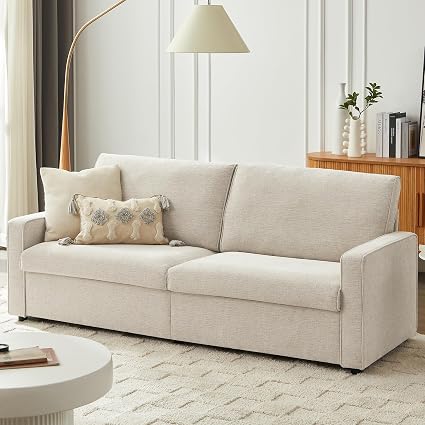
80'' Loveseat Sofa, Sofa Couches for Living Room, Modern Love Seat 3 Seater Chenille Linen Sofa Small Couch, Removable Cover, Comfy Couch for Bedroom/Office/Apartment/Small Space, Beige
Price range: $ 349.99 through $ 399.99Buy On Amazon
Bali Women's Wireless Bra, Comfort Revolution Seamless Bra, ComfortFlex Fit, Moisture-Wicking
Price range: $ 18.66 through $ 23.25Buy On Amazon
Hanes Men's EcoSmart Fleece Full-Zip Hoodie Sweatshirt
Price range: $ 13.00 through $ 14.81Buy On Amazon
Layout Tips
- Arrange seating to facilitate conversation. A U-shaped or semi-circular layout works best for this purpose.
- Consider traffic flow by leaving at least three feet of space between furniture pieces.
Material and Fabric Choices
- Opt for durable fabrics like microfiber, leather, or performance blends, especially if you have children or pets.
- Choose materials that complement the overall aesthetic, such as wood, metal, or fabric upholstery.
2. Versatile and Stylish Lighting
The Mood Setter
Lighting transforms a living room, creating ambiance and highlighting key features. A well-lit living room uses a mix of lighting sources to balance functionality and aesthetics.
Types of Lighting
- Ambient Lighting: Overhead lights or ceiling fixtures provide general illumination.
- Task Lighting: Table and floor lamps are essential for focused activities like reading or working.
- Accent Lighting: Use wall sconces, LED strips, or spotlights to emphasize artwork or architectural details.
Layering Light
- Combine natural light with artificial sources to achieve a dynamic, adaptable environment.
- Use dimmers to control brightness and create different moods throughout the day.
Style Considerations
- Select fixtures that match your decor style—be it modern, industrial, or traditional.
- Experiment with unique designs, such as geometric chandeliers or vintage-inspired lamps.
3. A Functional Coffee Table
The Central Hub
The coffee table anchors your seating arrangement and serves both practical and decorative purposes. Choosing the right coffee table is crucial to achieving balance and harmony in your living room.
Size and Shape
- Ensure the coffee table is proportional to your seating arrangement. Ideally, it should be about two-thirds the length of your sofa.
- Popular shapes include rectangular, round, square, and oval.
Materials and Durability
- For a sleek, modern look, consider glass or metal tables.
- Wooden tables bring warmth and suit rustic or traditional spaces.
- For families with kids, opt for tables with rounded edges and durable finishes.
Multifunctionality
- Choose tables with built-in storage to keep clutter at bay.
- Nested or lift-top tables offer additional flexibility for smaller spaces.
4. Decorative Elements and Personal Touches
The Personality Showpiece
Decorative accents allow you to infuse your living room with personality and style. These elements make the space uniquely yours.
Artwork and Wall Decor
- Large-scale artwork serves as a statement piece, while gallery walls add a dynamic, curated feel.
- Mirrors are functional and help make the room appear larger by reflecting light.
Textiles and Soft Furnishings
- Rugs: A well-chosen rug defines the seating area and adds warmth. Ensure it’s large enough to anchor your furniture.
- Throw pillows and blankets: Mix patterns, textures, and colors to create a cozy and inviting look.
Plants and Greenery
- Incorporate indoor plants for a touch of nature and improved air quality. Low-maintenance options include succulents, ferns, or snake plants.
- Use decorative pots or planters to complement your design aesthetic.
Books and Accessories
- Coffee table books, candles, and vases add sophistication and interest.
- Avoid overloading surfaces; focus on a few well-placed items for a curated look.
5. A Well-Planned Entertainment Setup
The Technology Corner
Most living rooms serve as entertainment hubs, making a thoughtfully designed media area essential. Ensure your setup is both functional and visually appealing.
Choosing the Right TV
- Select a screen size that suits the room’s scale and viewing distance. As a general rule, the optimal viewing distance is 1.5 times the diagonal size of the screen.
- Mounting the TV on the wall can save space and improve viewing angles.
Storage Solutions
- Use TV consoles, cabinets, or wall-mounted shelves to house electronics and hide unsightly cables.
- Opt for furniture with built-in cable management to maintain a tidy look.
Sound System
- Invest in a quality soundbar or home theater system for an immersive experience.
- Place speakers strategically to enhance sound quality without disrupting the room’s layout.
Multi-Functional Furniture
- Incorporate furniture that accommodates your entertainment needs, such as storage ottomans or console tables with USB ports.
Frequently Asked Questions (FAQs)
1. How do I make a small living room look bigger?
Use light colors on walls and furniture to create the illusion of space. Incorporate mirrors to reflect light and strategically place furniture to maximize floor space.
2. What color schemes work best for living rooms?
Neutral tones like beige, gray, and white are versatile and timeless. Accent with bold colors or patterns for added interest.
3. How can I mix different furniture styles?
Stick to a cohesive color palette and balance the proportions of each piece. Use accent items like rugs or artwork to tie different styles together.
4. What’s the best way to arrange furniture in a living room?
Consider the room’s focal point, such as a fireplace or TV, and arrange furniture to highlight it. Ensure there’s enough space for movement and conversation.
5. How do I choose the right rug size?
The rug should be large enough for the front legs of all seating to rest on it. In larger rooms, use rugs that encompass all furniture.
6. What’s the ideal lighting setup for a living room?
Layer different types of lighting—ambient, task, and accent—to create a versatile and inviting atmosphere.
Conclusion
Creating the perfect living room involves balancing comfort, style, and practicality. By incorporating these five key elements—comfortable seating, versatile lighting, a functional coffee table, decorative accents, and a well-planned entertainment setup—you can design a space that’s both beautiful and functional. Whether hosting guests or unwinding after a long day, your living room will be a reflection of your personality and a haven of relaxation.